

Becoming a Sustainable Enterprise - Create Sustainable consumer options based on new business models
- Jul 22, 2022
- 2 min read
Updated: Sep 3, 2023
Companies must adopt circular business model practices in order to stay competitive and to gain consumer acceptance in a fast changing and disruptive business environment...
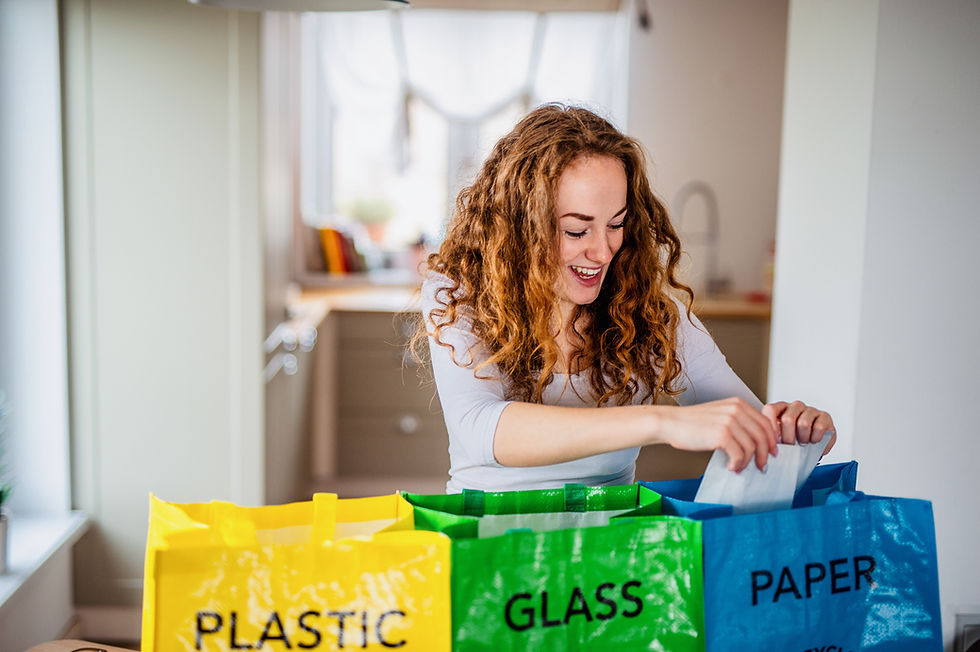
Companies must focus on products and services with less impact on the environment and distribution channels with a strong focus on recycling and reuse of waste
Today consumers switch brands on a daily basis, they are making more deliberate choices, it is getting harder and harder to get their trust and loyalty. Consumers want access to richer product information, such as how a product was designed, where a product material was sourced, how the product can be recycled and other insights into its lifecycle. Sustainability and options to give back, resell or reuse are increasingly becoming driving factors in consumer purchase decisions. Consumers want to see that every business partner is equally rewarded (e.g. fair trade, green labels, etc.) and that companies respect ecological guidelines and have answers and services for recycling of the product. So companies need to adopt their value chains in order to be able provide deeper insights into their core business activities allowing consumers to make the right choices. This imposes a huge challenge for existing established commerce channels (markets, retailers, partnerships, etc.). So for the fast moving consumer goods there is a huge saving potential for materials (raw materials, packaging, etc.) when companies completely switch to a circular business model. This could mean to adopt business processes, to improve data accuracy, to better integrate solutions along the supply chain and to eventually choose new vendors and business network partners who support the circular business model. Companies must adopt their product range in regards to the rising demand of consumers for sustainable products. It will soon become a deciding factor for a company’s financial survival.
Sustainable Digitalization in the consumer area starts with the creation of sustainable commerce and recommerce models based on the circular economy practices. Business Networks can help to establish user communities and product-as-a-service platforms. Business Networks and Internet of Things (IoT) capabilities in the product will allow to collect consumer experience data in order to optimize product services (e.g. enhance, refurbish, share, resell, take-back). By digitalizing the relevant processes to drive sustainability in products and services, companies can heavily impact the consumer experience which will have a huge impact on the Wellbeing of All Beings.
🌎 Listen to your consumers and their expectations for true sustainable products and services
🌎 Define a sustainable strategy for your products and your distribution channels
🌎 Constantly control the impact of your distribution operations on the environment, your business partners, local communities and consumers
I believe it is time to revolutionize the way we do business. It is time for a Purpose-driven Wellbeing Economy. But to achieve this goal companies need to provide sustainable products which are designed for a circular economy and which are distributed across distribution channels that reduce waste and offer resell, refurbish, and recycle options. What do you think?
Comments