

Reverse Logistics business models to drive sustainable Supply Chains
- Mar 14, 2023
- 3 min read
Updated: Sep 3, 2023
Reverse logistics is an essential aspect of sustainable supply chain management that involves the process of returning goods from the end consumer to the manufacturer...
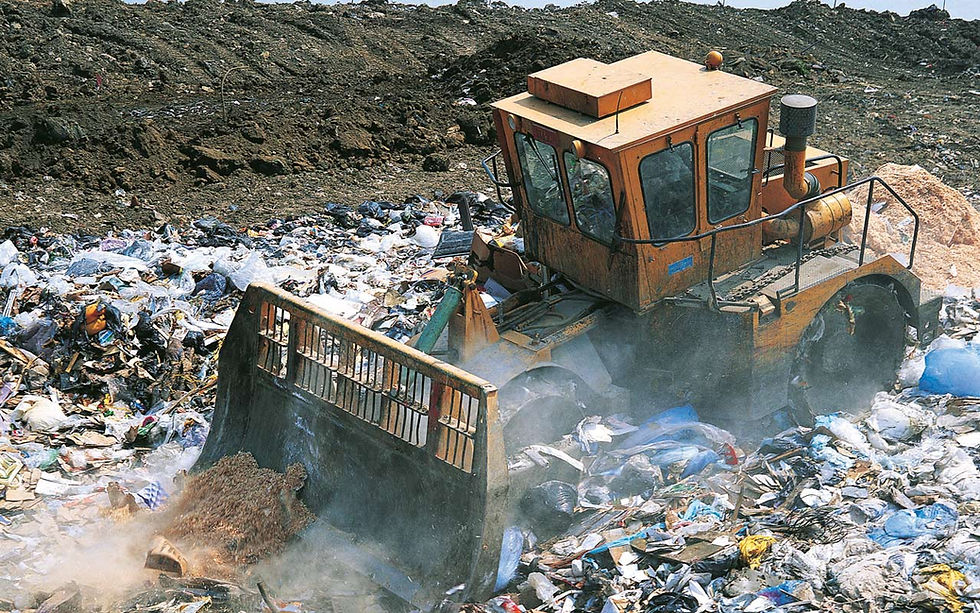
Reverse Logistics is becoming increasingly important in today's economy as consumers become more environmentally conscious and demand more sustainable products and practices
Reverse logistics is an essential aspect of sustainable supply chain management that involves the process of returning goods from the end consumer to the manufacturer. Reverse logistics is a crucial part of the circular economy, as it helps to reduce waste and promote sustainability by keeping products and materials in use for as long as possible. In this blog post, we will explore the importance of reverse logistics, its benefits, and some of the challenges that companies face when implementing a reverse logistics program. Reverse logistics is becoming increasingly important in today's economy. As consumers become more environmentally conscious and demand more sustainable products and practices, companies are under pressure to reduce their environmental impact and adopt sustainable practices throughout their operations. Reverse logistics is an effective way for companies to achieve these goals by reducing waste and extending the life of products and materials. Reverse logistics can also help companies to recover value from products that would otherwise be discarded or disposed of. By returning products to the manufacturer or reselling them to secondary markets, companies can recover some of the costs associated with the production and distribution of those products. Implementing a reverse logistics program can provide several benefits for companies, including:
🌎 Reduced waste: Reverse logistics can help to reduce waste by allowing products and materials to be reused or recycled.
🌎 Cost savings: By recovering value from returned products, companies can reduce the costs associated with production and distribution.
🌎 Improved customer satisfaction: Effective reverse logistics programs can improve customer satisfaction by providing a convenient and efficient process for returning products.
🌎 Sustainability: Reverse logistics can help companies to achieve their sustainability goals by reducing waste and promoting a circular economy.
Not so easy after all? Implementing a reverse logistics program can also present several challenges. Reverse logistics can be more complex than forward logistics, as it involves managing multiple flows of goods and materials. Providing a convenient and efficient process for returning products can be challenging, as customers may have different expectations and preferences. Managing inventory in a reverse logistics program can be challenging, as returned products may need to be sorted, repaired, or refurbished before they can be resold or reused.
But how to get started? The first step is to evaluate the company's current operations to identify opportunities for implementing a reverse logistics program. This involves assessing the types of products that the company sells, the volume of returns, and the potential for recovering value from returned products. Once the company has identified the potential for implementing a reverse logistics program, the next step is to develop a strategy for managing the reverse flow of goods and materials. This involves identifying the processes, resources, and technology needed to manage returns and recover value from returned products. Implementing smart technology and systems is essential to managing the reverse flow of goods and materials. This includes implementing software to manage returns, tracking and reporting tools, and logistics systems to manage the transportation of returned products. Developing relationships with business partners and local communities is critical to the success of a reverse logistics program. This includes developing relationships with suppliers, manufacturers, and logistics providers to ensure a seamless flow of goods and materials.
Finally, companies should continuously monitor and improve their reverse logistics program. This involves tracking key performance indicators, such as the volume of returns, the recovery rate of returned products, and customer satisfaction, and making improvements based on the data.
By implementing a reverse logistics program, companies can reduce waste, recover value from returned products, and promote a more sustainable and circular economy. However, implementing a reverse logistics program can also present several challenges, including logistics complexity, customer experience, inventory management, and cost. Despite these challenges, the benefits of reverse logistics make it a crucial component of any company's supply chain operations. In conclusion, reverse logistics is a critical process that companies need to adopt to reduce their environmental impact and achieve sustainability goals. It involves managing the flow of goods and materials from the end consumer to the manufacturer, promoting a circular economy that keeps products and materials in use for as long as possible. By implementing a reverse logistics program, companies can reduce waste, recover value, and promote sustainability. However, companies should also be aware of the challenges of implementing a reverse logistics program and take steps to mitigate them.
I believe it is time to revolutionize the way we do business. It is time for a Purpose-driven Wellbeing Economy. But to achieve this goal we to speed the adoption of Sustainable Digitalization in industrial organizations to optimize the way how business is done. Smart Technology is one key enabler to get there. What do you think?
Comments